Why does nurse station design affect nursing efficiency?
Date: 2026-06-09 10:22:25
Many people think a nurse station is just a table and a few chairs. In reality, the design of a nurse station directly impacts nurses' daily steps, response speed, and even medication safety. The core reason is that the nurse station is the "traffic hub" and "information center" of the nursing unit—a poor layout means nurses walk several kilometers more each day; chaotic movement can delay emergency care by several seconds.
1. Movement Length: Every extra meter reduces efficiency. A good medical nurse station will arrange treatment rooms, procedure rooms, and doctors' offices around it, forming a circular nursing movement path. If the nurse station layout is a straight line "back to the ward," nurses will have to take detours every time they need to get medication, record information, or respond to calls. Studies show that an optimized nursing unit workstation can reduce nurses' steps per shift by approximately 3,000 steps, equivalent to freeing up one hour of effective nursing time.
2. Blind Spots: Inability to See = Slow Response
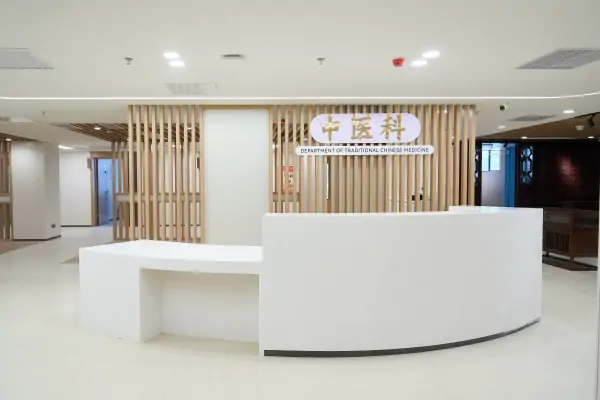
The height of a nurse station is typically controlled between 1050-1100mm (standing) and 740-760mm (seated). Too high a height will obstruct the view, making it difficult to quickly observe the corridor and ward entrances. A combination of high and low counters is recommended: a high counter for writing and a low counter for reception, while also reserving an accessible low-level service area. This should be combined with a nurse station monitoring system to reduce blind spots.
3. Storage and Workbench: Searching for Items is a Waste of Time
During an emergency, pulling out five drawers and not finding syringes is a typical problem of unscientific storage in a nurse station. Modern nurse stations should be zoned according to "usage frequency": the most frequently used medical record folders, intercoms, and hand sanitizer should be placed in the first easily accessible open shelf; low-frequency consumables should be placed in the lower lockable cabinet. Additionally, it is recommended that the nurse station workbench be made of anti-static, scratch-resistant medical board for easy and quick cleaning and disinfection.
4. Ergonomics: Reducing Occupational Injuries
Nurses are prone to back injuries from prolonged standing and twisting while answering phones or writing records. Ergonomic design of nurse stations includes: footrests (allowing nurses to lean forward against the countertop when standing), height-adjustable bar stools, and computer stands with adjustable screen tilt. These details directly reduce nurses' turnover rate.
5. Infection Control and Noise
Nurse station design specifications also require: seamless countertops and rounded corners to prevent dirt accumulation. Soundproofing the nurse station (such as sound-absorbing ceilings and padded back panels) reduces interference between call bells and conversations, improving the night shift environment.
Summary: When purchasing hospital nurse stations, don't just look at the appearance. Request the designer to provide a simulation diagram of the nurse station's workflow and ergonomic acceptance standards. A good nurse station can save nurses 4,000 steps a day and save 5 seconds in emergency situations—this is the true source of efficiency.
RELATED NEWS