In the era of smart hospitals, should hospital waiting chairs also be upgraded?
Date: 2026-06-02 14:44:07
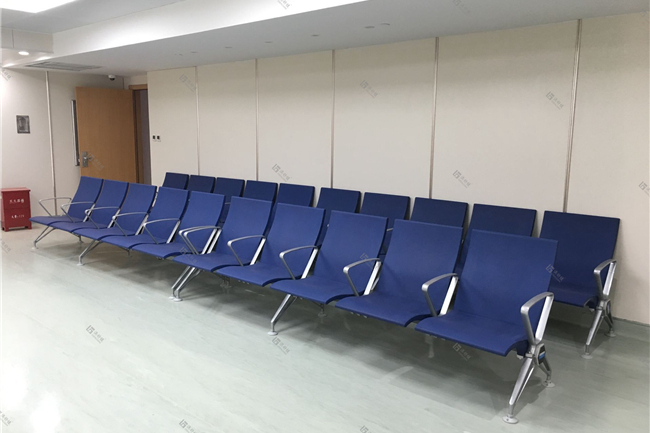
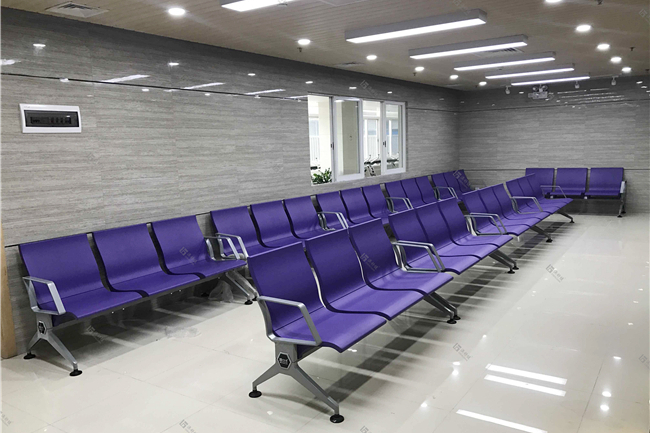
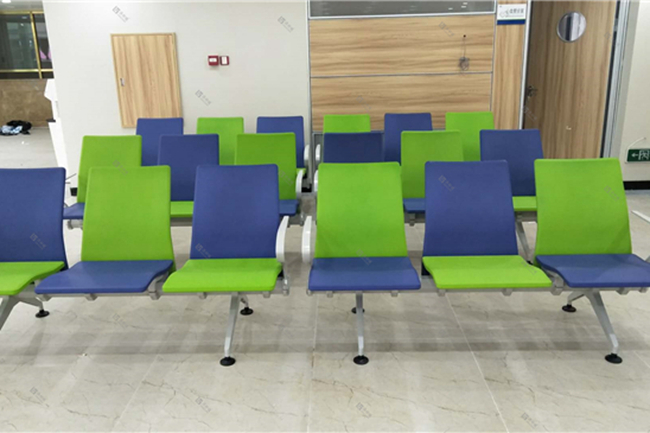
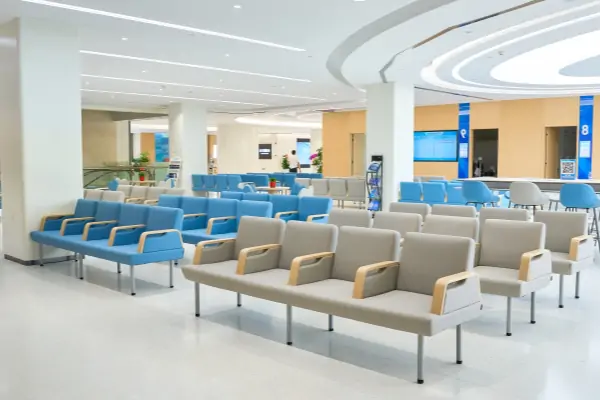
The answer is yes. From queuing for registration to real-time call-out in waiting areas, smart healthcare has already permeated the entire medical process. However, true intelligent upgrades to hospitals shouldn't stop at the software level; the medical waiting chairs, which patients can physically perceive, also urgently need to be upgraded simultaneously. Behind smart hospital waiting chairs lies a huge potential for improving the patient waiting experience.
1. Say Goodbye to "Waiting aimlessly," enhance the happiness of medical treatment. In the upgrade project of Zhuji Maternal and Child Health Hospital, intelligent waiting chairs were equipped with screen terminals. In addition to hearing their number, patients can also charge their phones for free, connect to WiFi, and even watch public medical information on the chairs, making the tedious waiting time more valuable. Intelligent infusion chairs also integrate functions such as infusion temperature monitoring and seat heating, making the treatment process more comfortable and reassuring. Simply put, multifunctional waiting chairs equipped with screens are not only "call-out companions" but also new nodes for digital doctor-patient interaction.
2. Refined Management: Let Data "Pay the Bill" for Operations
The value of the Internet of Things (IoT) in healthcare extends far beyond charging and entertainment. Smart waiting room chairs can be equipped with built-in occupancy sensors to track the number of patients waiting in each department and peak traffic times in real time. Hospital administrators can use a smart hospital management platform to precisely allocate resources and optimize scheduling. When the utilization rate of waiting area chairs reaches over 90%, the system automatically issues an alert and promptly diverts patients. Furthermore, by introducing models such as QR code-based shared companion chairs, hospitals can achieve "zero investment, revenue sharing," transforming the previously fixed waiting room chair procurement plan into a profit-generating unit.
3. Prevention Before Problems Arise: Building a Health and Safety Network
The core of a smart hospital is ensuring safety. Today, smart detection chairs can achieve "non-intrusive" screening. While patients sit in the chairs, embedded flexible sensors can monitor vital signs such as heart rate and blood pressure in real time, triggering an alarm immediately upon detecting abnormalities. This "non-intrusive detection" provides first-hand data for emergency triage, reducing the manpower costs of pre-screening by medical staff.
For hospital furniture suppliers, smart hospital waiting chairs represent the latest trend in medical furniture procurement. Providing patients with high-end medical seating that is both comfortable and functional, coupled with a smart healthcare ecosystem, is essential to enhancing brand value. The last mile of smart hospitals is already extending from comfortable waiting chairs.
RELATED NEWS