Can a Hospital Waiting Chair Enhance a Hospital’s Image? Have You Prioritized Waiting Area Design Aesthetics?
Date: 2026-04-23 16:24:27
The Direct Answer: Yes—and its impact is far greater than you might imagine.
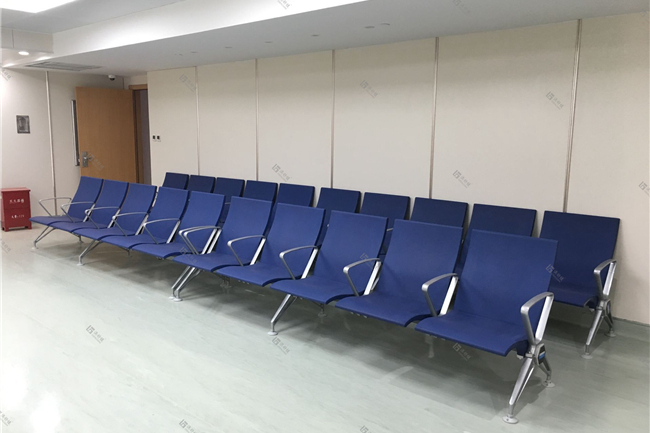
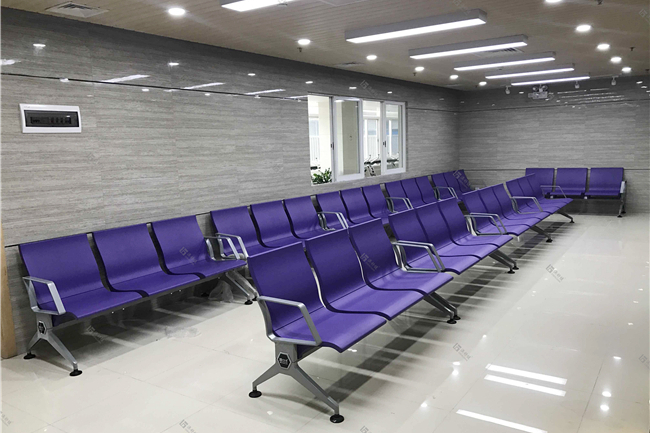
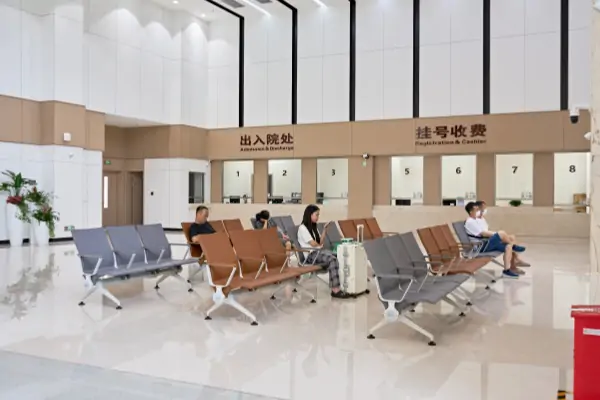
The hospital waiting area is one of the places where patients spend the most time. Hospital waiting chairs are not merely functional furniture; they serve as the "first business card" for the hospital's image, patient morale, and the overall healthcare experience. Cluttered, worn-out chairs can induce anxiety, whereas a thoughtfully designed waiting area conveys professionalism, reassurance, and warmth.
I. How Do Waiting Chairs Influence a Hospital’s Image? Three Key Dimensions
First Impressions: Upon entering the waiting area, the seating is often the very first thing patients notice. Clean, tidy, and color-coordinated hospital waiting chairs send a clear signal of competent hospital management.
Emotional Regulation: Ergonomically designed waiting chairs—combined with appropriate spacing—can alleviate the anxiety patients feel while waiting. Conversely, damaged, overcrowded, or cold stainless steel bench seating can exacerbate negative emotions.
Brand Perception: Private hospitals and high-end clinics rely particularly heavily on the aesthetic design of their waiting areas; a high-quality medical bench chair serves as a silent promise of excellence.
II. Four Key Design Principles for Excellent Waiting Chairs (Stop Settling for "Cheap")
Material Selection: Gone are the days of uniform rows of silver stainless steel. The mainstream choice now features antimicrobial leather upholstery paired with rust-resistant metal legs and eco-friendly wooden side panels, striking a balance between durability and a sense of warmth. Such antimicrobial hospital seating is especially favored in the post-pandemic era.
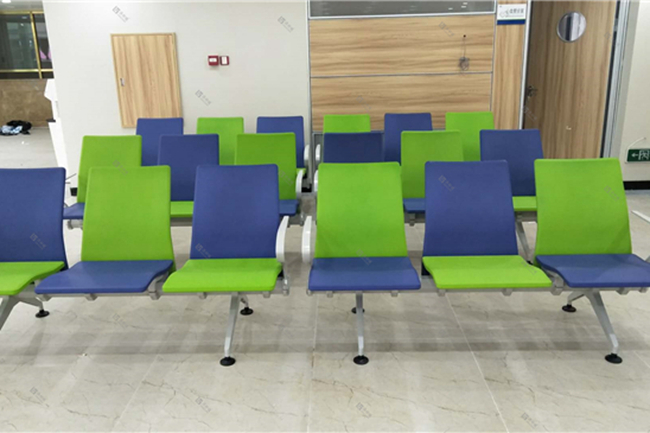
Color Strategy: Avoid stark white or monochrome gray schemes. Soft blues, warm grays, and wood-grain tones can soften the cold, clinical feel of a medical environment; a well-coordinated color palette for hospital seating can even help alleviate anxiety in pediatric patients.
Functional Zoning: Incorporate a mix of single seats, double seats, and benches—some with armrests and others without—to allow patients to choose the seating that best meets their needs. Elderly patients or those receiving IV infusions often require chairs with armrests for support, while other patients may prefer spacious, unobstructed seating.
Ease of Cleaning: Surfaces should be water-resistant and able to withstand repeated wiping with disinfectants, with seams designed to prevent dust accumulation. The ease with which medical bench seating can be cleaned directly impacts the efficiency of infection control within the facility. III. The Tangible Benefits of Aesthetic Upgrades to Waiting Areas
Many hospitals report that after replacing their old, stainless steel bench seating with ergonomically upgraded waiting chairs, patient ratings regarding the "hospital's professionalism" have risen significantly, while the rate of complaints during the waiting period has dropped by approximately 40%. This is particularly evident in pediatric departments and health check-up centers, where high-quality waiting areas have even become "photo-op" hotspots for patients—inspiring them to take pictures and share their experiences spontaneously, thereby indirectly boosting the hospital's reputation and visibility.
IV. Two Practical Tips for Purchasing Waiting Chairs
Try Before You Buy: Have individuals of various body types sit in the chairs for at least 20 minutes to assess the lumbar support and the firmness of the seat cushion. A well-designed waiting chair with proper ergonomics can effectively alleviate the fatigue associated with prolonged sitting.
Consider Specific Use Cases: Infusion areas require chair models featuring padded armrests and attached side tables, whereas the entrance to a laboratory department is better suited for compact, closely arranged seating that facilitates quick and easy standing. While purchasing a single, uniform style for the entire facility may seem like a hassle-free option, it can actually result in a diminished user experience.
RELATED NEWS