Can Hospital Waiting Chairs Affect Operational Efficiency? What Key Details Have Managers Overlooked?
Date: 2026-03-06 16:13:36
In hospital waiting halls, hospital waiting chairs are the most inconspicuous facilities, yet they accompany patients the longest. While managers focus on upgrading medical equipment, few realize that these silently supporting waiting chairs are quietly impacting the overall operational efficiency of the hospital.
A poorly designed hospital public seat can lead to difficulty for patients to get up and slow patient turnover; a neglected cleaning area can become a hidden danger of cross-infection. Today, we'll start with the details and explore the key points that managers often overlook.
1. Armrest Design: Affecting Patient Turnover Speed
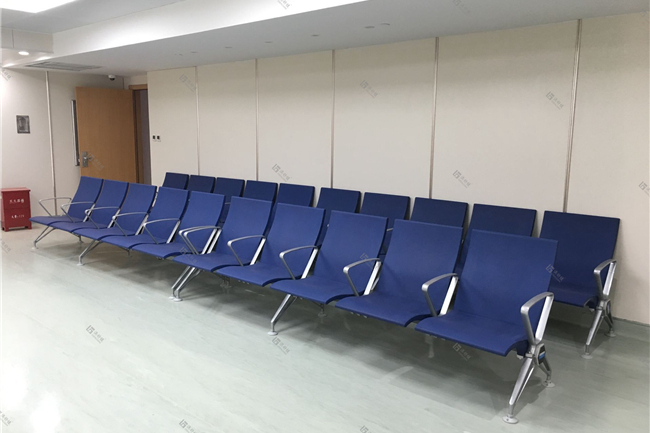
Hospital chairs support a large number of special groups—the elderly, pregnant women, and post-operative patients. The armrests of outpatient chairs are not only for arm support but also "assistive aids" for patients to get up. For patients with joint pain, getting up requires the strength of both hands for support. If the armrests are too short or insufficient in weight-bearing capacity, patients will have difficulty getting up, inevitably prolonging their sitting time and indirectly leading to a decrease in the turnover speed of the waiting area.
In the infusion area, whether the armrests of the infusion chairs are equipped with infusion hooks for easy access by nurses directly impacts work efficiency. Each time a hook needs to be hung, bending over and walking around it adds up to a considerable time cost.
2. Thorough Cleaning: The Invisible Defense Against Infection Control
Hospital infection control is a red line for hospital management, and hospital public seating is often a breeding ground for dirt and grime. Many medical waiting chairs use soft, padded fabrics, which are extremely difficult to clean once stained with bodily fluids. Smooth, non-porous materials (such as medical PU leather) can be quickly wiped clean with disinfectant wipes, significantly improving cleaning efficiency.
Complex seat seams and joints become breeding grounds for bacteria. Hospital waiting chairs that truly understand infection control pursue minimalist lines and integrated molding, ensuring every corner is easily accessible. High-end products also add antibacterial coatings, building an invisible shield for patients with weakened immune systems.
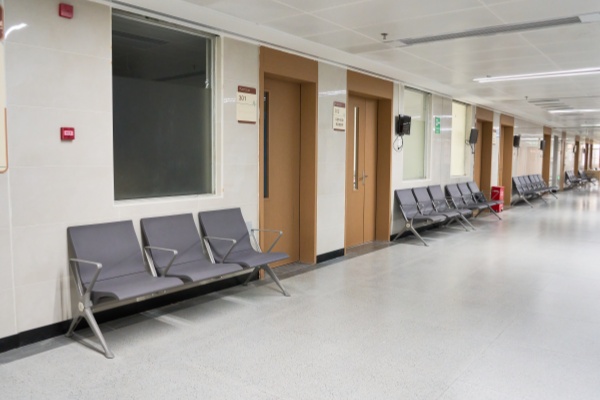
3. Comfort and Mood: Affecting Patient Cooperation
During peak outpatient hours, patients may wait for one or two hours on hospital public seating. If the seat cushion is too thin and the backrest is not ergonomic, patients will quickly experience back pain and become irritable. This negative emotion will be transmitted to medical staff, increasing communication costs.
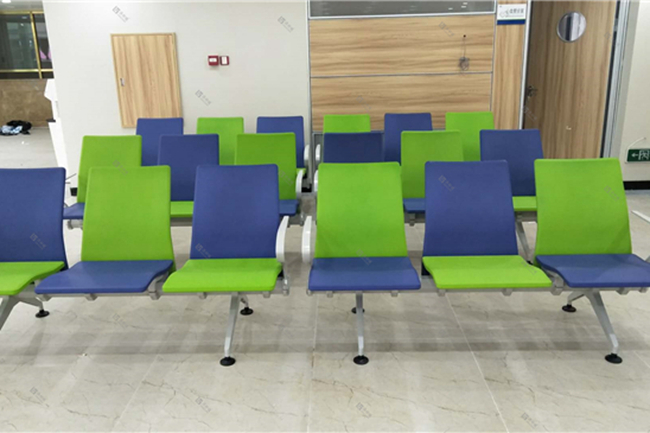
Using soft, warm-colored outpatient chairs can subtly alleviate tension. Patients with stable emotions are more cooperative with medical orders, thus improving treatment efficiency.
4. Placement: Determining Spatial Flow
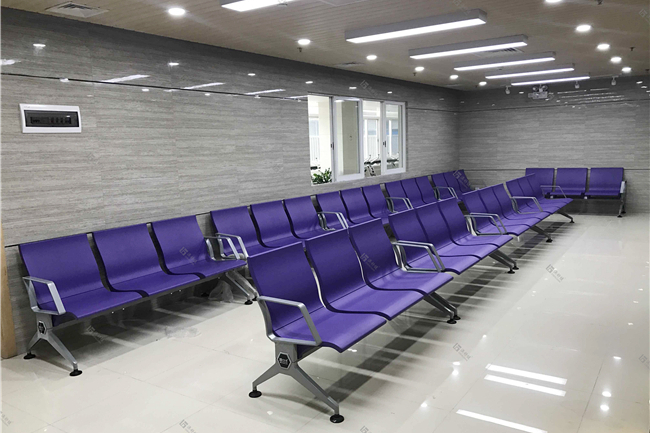
The placement of waiting chairs in hospitals is not simply "finding a place to put a few rows of chairs." At the pharmacy, the direction of the chairs should be perpendicular to the queuing line to avoid obstructing the passage. Sufficient space should be left between chairs to allow wheelchairs and strollers to pass. If the passage is frequently blocked, nurses will need to repeatedly remind others to "make way," increasing their unnecessary workload.
Modularly designed medical waiting chairs can be flexibly disassembled and reassembled to adapt to departmental functional adjustments, significantly reducing logistics and labor costs during renovation.
5. Safety Details: Safeguarding the Last Meter of Safety
Many people with mobility impairments live in hospitals, and the safety details of hospital waiting chairs directly relate to the risk of accidents. All edges should be rounded to prevent patient bumps and injuries. Foot pads must be non-slip to prevent the chair from shifting when patients get up to lean on it. A thickened metal frame ensures structural stability under high-intensity use, avoiding maintenance downtime due to damage.
6. Conclusion A small hospital waiting chair shapes a patient's first impression of the hospital, influences every procedure performed by nurses, and determines every wipe by cleaning staff. Choosing suitable hospital public seating is not a simple procurement act, but a deep investment in hospital operational efficiency. When patients can get up smoothly, cleaning and disinfection are efficient, and safety hazards are eliminated, the entire hospital will operate quietly and efficiently.
A good hospital waiting chair is for patients, but it also reflects the manager's thoughtfulness.
RELATED NEWS