What should hospitals consider beyond price when purchasing hospital beds?
Date: 2026-08-26 14:09:57
When hospitals purchase hospital beds, price often carries the most weight in the decision-making process. However, the ultimate success of a procurement decision is never determined by the unit price alone. A low-cost purchase might result in maintenance expenses exceeding 30% of the equipment's original price later on, simply because the motor's lifespan is less than three years. Beyond price, there are five other dimensions worth careful consideration.
I. Total Cost of Ownership (TCO): Calculating the bottom line is more important than negotiating the unit price
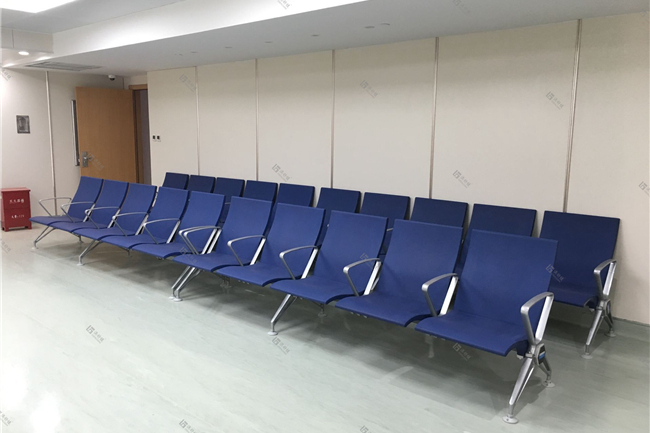
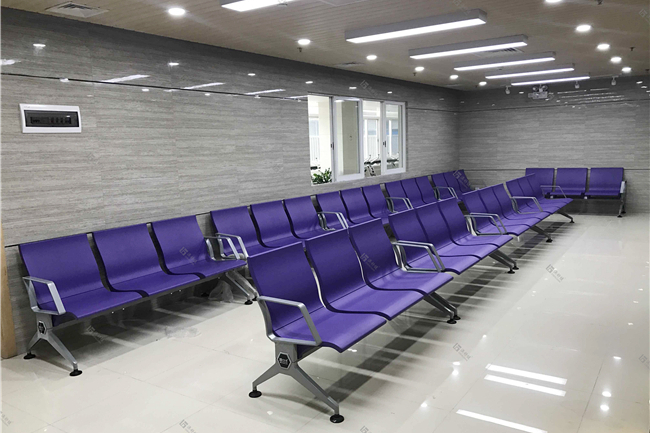
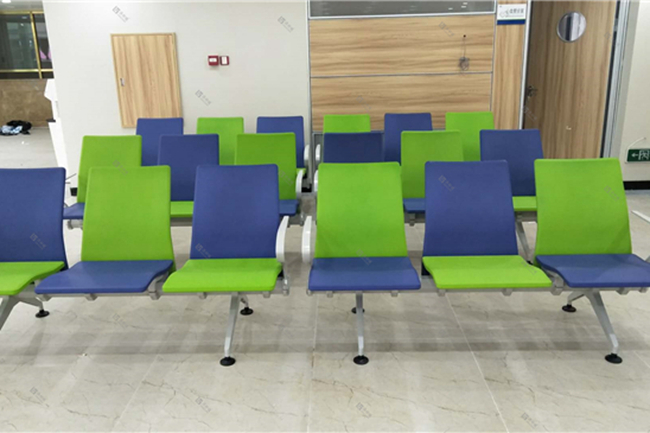
Procurement decisions require a comprehensive assessment of the initial purchase price (accounting for approximately 40% of TCO), maintenance costs (30%), losses due to downtime (20%), and costs associated with compliance risks (10%). Factors such as the warranty period, delivery lead time, and spare parts availability directly impact long-term ownership costs. Take electric hospital beds, for example: the cost difference between manual and electric beds—driven by functionality—can be threefold; however, over-specifying electric features for standard wards can lead to wasted resources. This logic mirrors the procurement of auditorium seating—asking "which model best suits actual usage" is more valuable than asking "which model is the cheapest." Whether for medical electric beds or lecture hall seating, a low unit price does not equate to a low total cost; components prone to wear and tear or difficult maintenance will inevitably translate into additional expenses during the operational phase.
II. Safety Certification and Compliance: Look beyond mere possession to verify authenticity
The procurement of medical equipment must strictly adhere to regulatory compliance requirements. Key certifications include ISO 13485 (Quality Management Systems for Medical Devices), CE, and FDA approval. Procurement teams should not rely solely on supplier declarations but must require proof of certificate numbers and third-party test reports. Simultaneously, they should verify the medical device registration number on the National Medical Products Administration (NMPA) website to ensure the device's scope of application aligns with the specific needs of the hospital department. Regarding technical standards, medical beds must comply with the requirements of "YY-9706.252-2021 Medical Electrical Equipment – Part 2-52" concerning static load and side-rail gaps. This rigorous adherence to safety standards parallels the requirements for flame retardancy and structural integrity in theater and public seating—every seat in a public space embodies a commitment to user safety. III. Functional Suitability: Different Scenarios Require Different Configurations
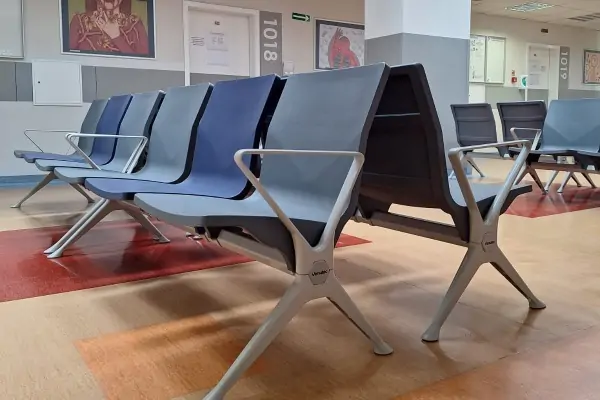
ICU wards require hospital beds capable of supporting loads of ≥250 kg, offering a wide height adjustment range (450–715 mm), and featuring synchronized electric backrest/knee-rest adjustment and one-touch positioning functions; conversely, for general wards, manual single- or dual-crank beds may be considered for better cost-effectiveness. Parameters such as the backrest adjustment range (typically 0–75°), leg elevation angle (0–45°), and side rail length directly impact nursing efficiency and patient comfort. This "configuration-based-on-need" approach applies equally to the selection of auditorium seating—school lecture halls, corporate training rooms, and theater auditoriums serve different purposes and require different priorities.
IV. Materials and Durability: Details Define the Daily Experience
Cold-rolled steel is a common material for bed frames; it boasts a yield strength 20–30% higher than standard hot-rolled steel and a service life in salt-spray environments approximately 1.5 to 2 times longer. Although cold-rolled steel nursing beds may carry a price premium of 300–600 RMB, they offer an average lifespan of 8–10 years without requiring structural repairs. Details such as bed panel thickness, side rail materials, and the formaldehyde content of mattress cores directly influence the daily user experience and maintenance frequency. Similarly, the selection of auditorium row seating emphasizes frame materials and surface finishing processes—for facilities subject to high-frequency use, durability and ease of maintenance must be non-negotiable priorities.
V. After-Sales Service and Supply Chain: Unseen Assurances
It is advisable to prioritize manufacturers that offer lifetime spare parts availability and to clearly stipulate response times for motor failures (≤24 hours) and spare parts delivery cycles (≤72 hours) in the contract. For bulk orders exceeding 50 units, suppliers should be required to provide proof of production capacity and a backup supply chain plan. Procurement of public seating—such as auditorium or cinema chairs—also requires evaluating the supplier's after-sales service coverage and spare parts inventory, as every instance of sitting down, whether in a hospital ward or a public space, involves the user's safety and dignity.
RELATED NEWS